
Scope 3 in real estate: where carbon reports break
DIREK works with landlords whose Scope 3 numbers look fine on paper and fall apart under assurance. That gap is about to get expensive.
Regulation has hardened around scope 1 2 3 emissions reporting, and floor-area averages are no longer doing the job they used to. This post walks through why, and what to do about it this quarter.
A quick refresher on the three scopes

Scope 1 covers what the landlord directly burns or leaks: gas boilers, generators, refrigerants, fleet. Scope 2 is purchased energy for landlord-controlled areas, lifts, lobbies, central HVAC.
Scope 3 is everything else. Tenant electricity, embodied carbon in fit-outs, waste, commuting, supplier emissions. For most commercial portfolios it’s the largest share by a long way.
Where the reporting collapses
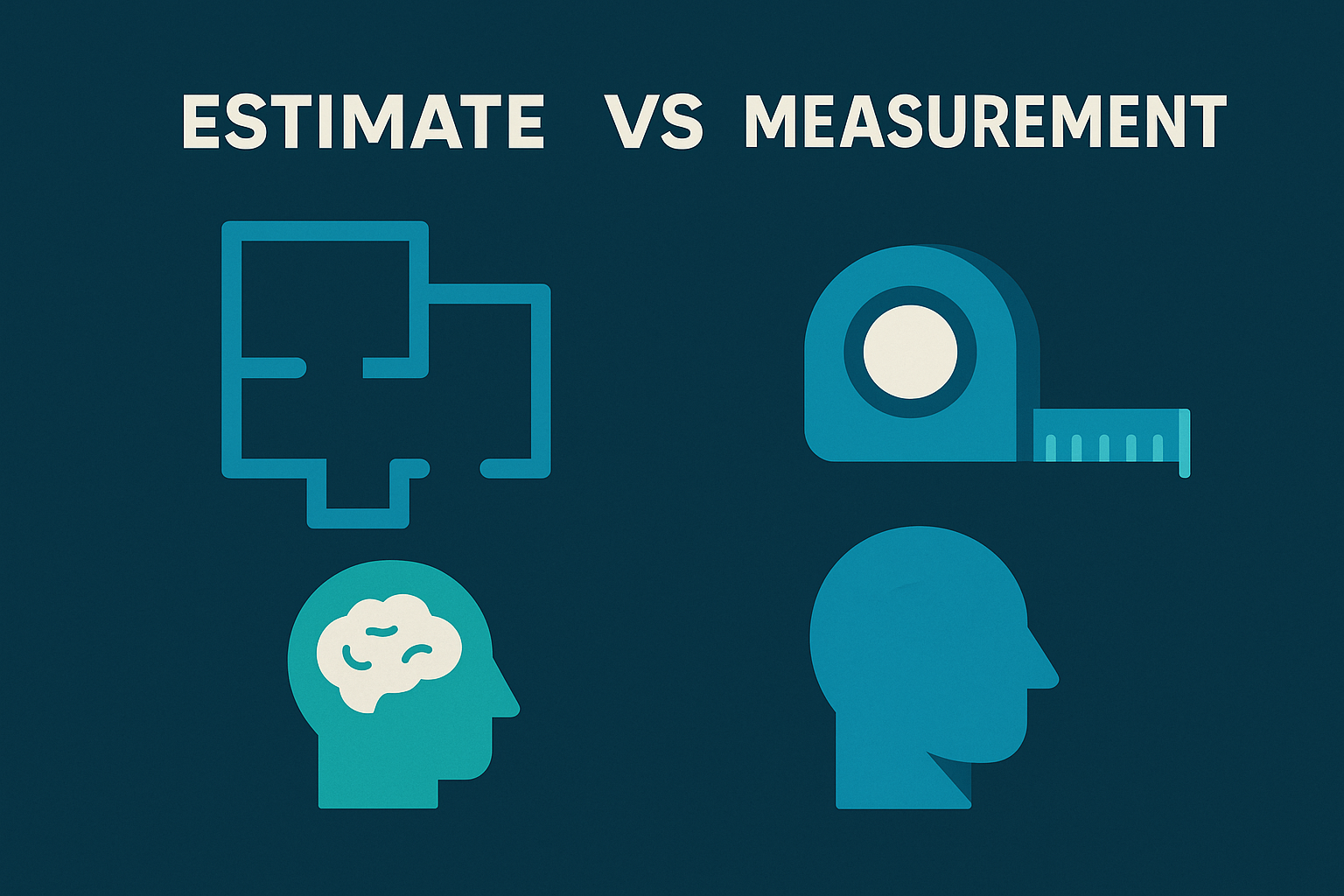
Most landlords estimate tenant energy by multiplying a floor-area benchmark by a grid emissions factor. It reads as defensible. It isn’t primary data, and it doesn’t reflect what the building actually did.
That worked under voluntary frameworks. Under CSRD, California’s SB 253, and ISSB-aligned reporting, auditors are now asking financial-audit questions of carbon numbers. Where is the source data? Who controls it? How was it verified? A floor-area average answers none of them.
What changes the equation

Two things have shifted at once. Regulation has hardened, and the data to respond is finally affordable. Sub-metering on landlord supplies, plus occupancy analytics in common parts and floors, gives you energy intensity per occupied hour. That is a measure assurance teams increasingly prefer, and one that also surfaces real operating cost savings.
This is where DIREK sits. SpaceLens captures occupancy at floor and room level. D-XPERT lets a sustainability lead query that alongside BMS and sub-meter feeds in plain English. API-first, so it slots onto whatever metering estate already exists. One case-study customer cut £3M off building operations working this way, which is the part of smart buildings that pays back the sensors.
What to do this week
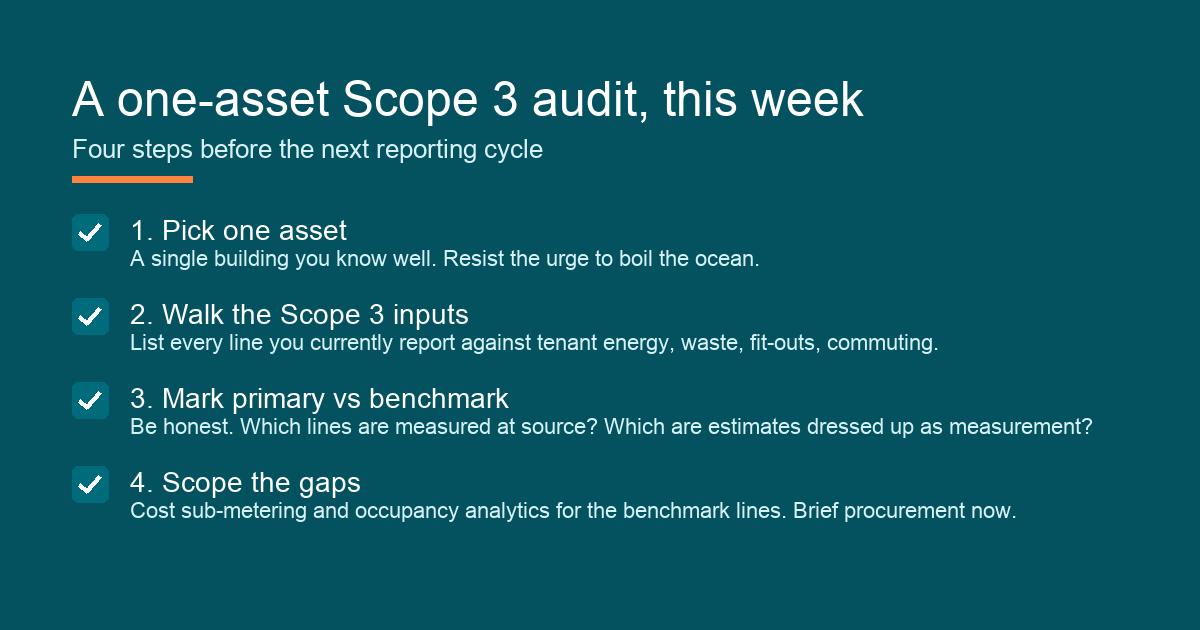
Pick one asset. Walk its Scope 3 inputs honestly. List which lines are primary measurement and which are benchmarks dressed up as measurement. Scope sub-metering and occupancy analytics for the gaps before your next reporting cycle.
The reporting regime has moved. The question for facility management and real estate teams is no longer whether your Scope 3 narrative sounds credible, but whether it holds up when someone asks for the source. How much of yours is primary data, and how much is benchmark dressed up as measurement?
If you want to see how occupancy and energy data line up on a real asset, book a demo with DIREK.